EDELSTAHL SCHNEIDTECHNIK RHEIN-RUHR

Alloy 1.4571 /
AISI 316Ti

Non-rusting, austenitic stainless steel with excellent corrosion resistance and high stability
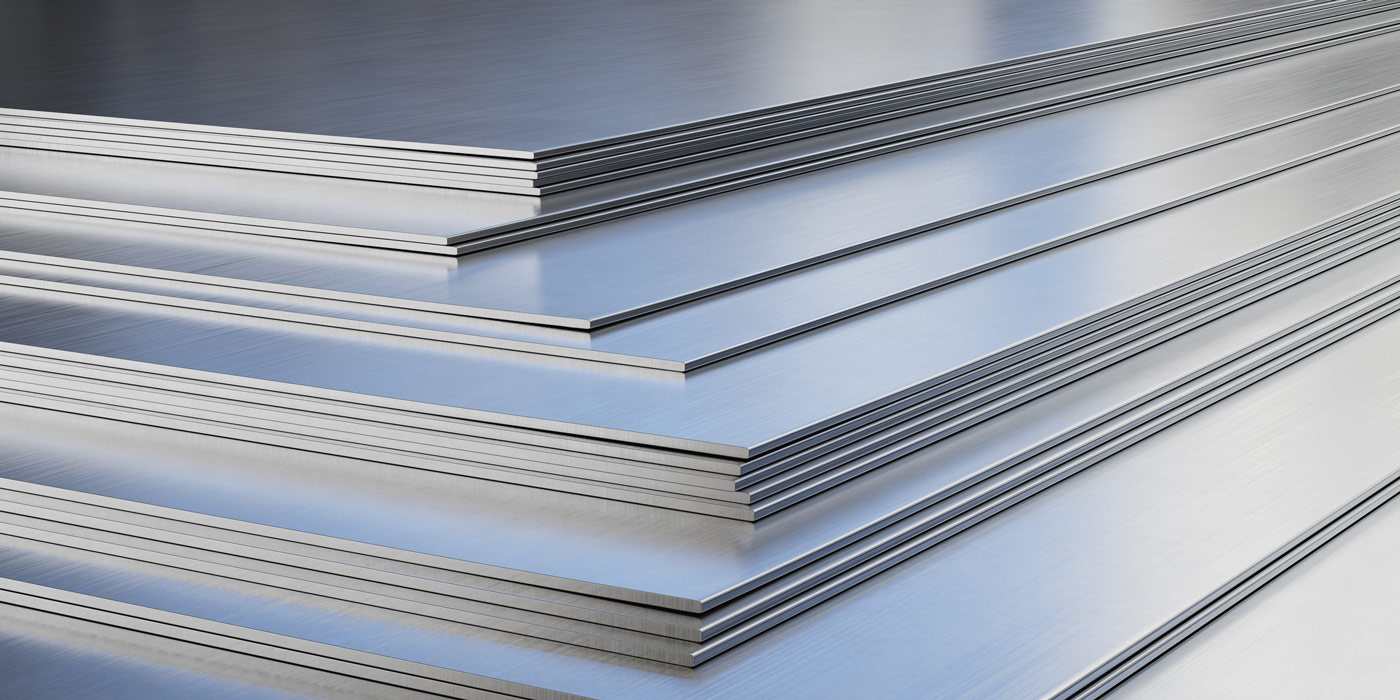
1.4571, also known as AISI 316Ti, is a non-rusting, austenitic stainless steel that offers excellent corrosion resistance and high stability in demanding environments due to its chemical composition. It is often referred to as titanium-stabilized stainless steel.

Chemical Composition (in %):

Element

Content

Chromium (Cr)

16,5 – 18,5 % 

Nickel (Ni)

10,5 – 13,5 %

Molybdenum (Mo)

2,0 – 2,5 %

Titanium (Ti)

≥ 5x C content

Carbon (C)

≤ 0,08 %

Manganese (Mn)

≤ 2,0 %

Silicon (Si)

≤ 1,0 %

Phosphorus (P)

≤ 0,045 %

Sulfur (S)

≤ 0,015 %

Properties:

Corrosion resistance:

  • Very good resistance in oxidizing and moderately reducing media
  • Particularly resistant to pitting, crevice, and intergranular corrosion, even after thermal exposure (450–800 °C)
  • Better resistance in chloride-containing environments and seawater compared to 1.4301

Mechanical properties:

  • Tensile strength: 500–700 MPa
  • Yield strength: ≥ 200 MPa
  • Elongation: ≥ 40 %
  • Good ductility and toughness, even at low temperatures

Heat resistance:

  • Good resistance up to approx. 600 °C in oxidizing environments
  • Titanium prevents sensitization at high temperatures, allowing suitability for frequent heating and cooling

Weldability:

  • Very good weldability with common processes (MIG, MAG, TIG)
  • No post-weld heat treatment required, as titanium prevents intergranular corrosion

Magnetism:

  • Non-magnetic in solution-annealed condition

Comparison to similar materials:

  • 1.4404: 1.4571 is titanium-stabilized, making it more thermally stable and better protected against intergranular corrosion, whereas 1.4404 has better surface properties and is easier to polish.
  • 1.4401: Both contain molybdenum, but 1.4571 is stabilized with titanium, making it more robust in thermally critical applications.

Applications:

  • Chemical industry:
    Containers, heat exchangers, pipelines
  • Pharmaceutical industry:
    Equipment and tanks for sterile conditions
  • Food industry:
    Devices exposed to corrosive substances
  • Construction:
    Components in maritime environments
  • Automotive industry:
    Exhaust systems
  • Energy industry:
    Power plant components such as turbines and flue gas desulfurization systems

Limitations:

  • Less suitable for polishing compared to 1.4404 or other non-stabilized stainless steels

  • For highly aggressive media (e.g., high-chloride environments) or higher temperatures, higher-alloyed stainless steels or superaustenites (e.g., 1.4529) may be more suitable

Conclusion:

1.4571 is a high-quality stainless steel that, due to the combination of molybdenum and titanium stabilization, offers high corrosion resistance and thermal stability. It is particularly suited for applications with high thermal loads and aggressive media, and is especially preferred for welded constructions.

Note: The information in this datasheet is provided for description purposes only; no liability is assumed!