Austenitic, heat-resistant stainless steel for extreme temperature loads and corrosive environments
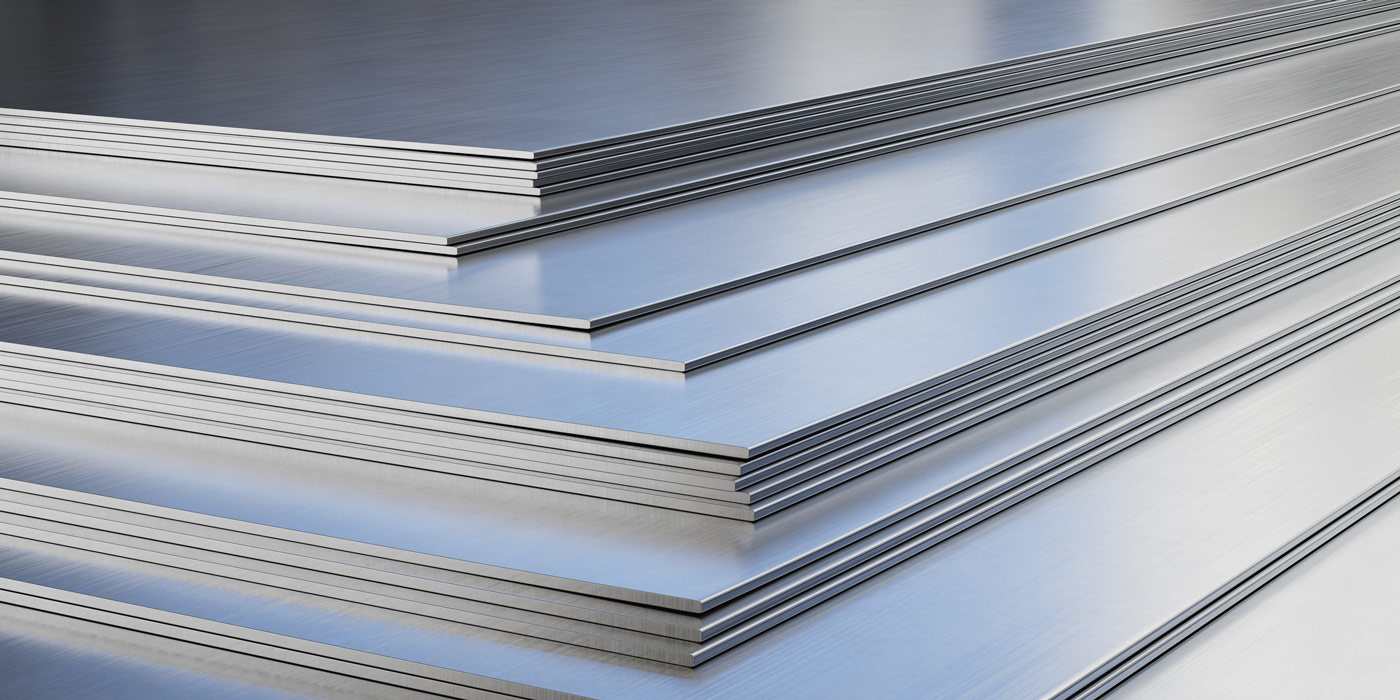
1.4835, also known as AISI 253MA, is an austenitic, heat-resistant stainless steel designed for extreme temperature loads and corrosive environments. It is renowned for its excellent oxidation resistance and strength at high temperatures, and is widely used in thermal and process engineering. This material is also referred to as a creep-resistant stainless steel.
Chromium (Cr)
20,0 – 22,0 %
Nickel (Ni)
10,0 – 12,0 %
Silicon (Si)
1,40 – 2,00 %
Nitrogen (N)
0,14 – 0,20 %
Carbon (C)
0,05 – 0,10 %
Manganese (Mn)
≤ 0,80 %
Phosphorus (P)
≤ 0,040 %
Sulfur (S)
≤ 0,015 %
Rare earth elements (e.g., Cerium)
Additives to improve oxidation resistance
Heat resistance:
Corrosion resistance:
Mechanical properties:
Weldability:
Formability:
1.4835 is an excellent choice for high-temperature applications requiring both oxidation resistance and mechanical stability. Its unique composition of chromium, nickel, silicon, nitrogen, and rare earth elements makes it ideal for industrial use at temperatures up to 1150 °C. It offers a well-balanced combination of strength, temperature resistance, and oxidation protection, making it indispensable in thermal and process engineering.
Note: The information in this datasheet is provided for description purposes only; no liability is assumed!

EST Edelstahl-Schneidtechnik GmbH
Am Stahlwerk 17
45527 Hattingen
Germany
OFFICE HATTINGEN
+49 (0) 2324 59150 0
info@edelstahl-schneidtechnik.de
OFFICE VÖCKLABRUCK
+43 (0) 7672 30909 0
info@edelstahl-schneidtechnik.at
OFFICE BREMEN
+49 (0) 421 579562 0
info@edelstahl-schneidtechnik.de
OFFICE CHASSIEU
+43 (0) 7672 30909 48
info@est-export.com