EDELSTAHL SCHNEIDTECHNIK RHEIN-RUHR

Alloy 1.4841 /
AISI 314

Austenitic, heat-resistant stainless steel for extremely high-temperature and oxidizing conditions
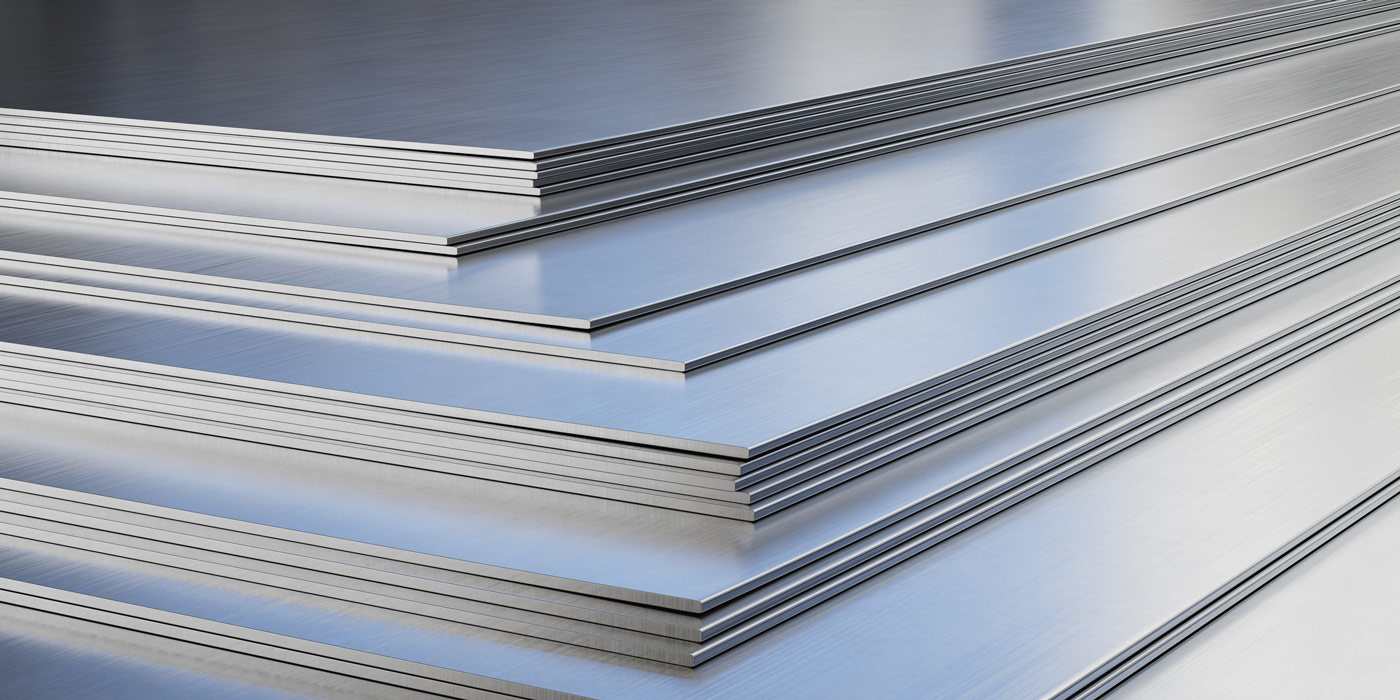
1.4841, also known as AISI 314, is an austenitic, heat-resistant stainless steel developed for applications in extremely high-temperature and oxidizing environments. Its excellent scaling resistance and mechanical stability make it widely used in thermal and process engineering.

Chemical Composition (in %):

Element

Content

Chromium (Cr)

24,0 – 26,0 %

Nickel (Ni)

19,0 – 22,0 % 

Silicon (Si)

1,5 – 2,5 %

Carbon (C)

≤ 0,20 %

Manganese (Mn)

≤ 2,0 %

Phosphorus (P)

≤ 0,045 %

Sulfur (S)

≤ 0,015 %

Properties:

Heat resistance:

  • Temperature resistant up to approx. 1150 °C
  • High scaling resistance in oxidizing atmospheres due to chromium, nickel, and silicon additions
  • Good resistance against thermal fatigue (heating and cooling cycles)

Corrosion resistance:

  • Good resistance in oxidizing and mildly reducing atmospheres at high temperatures
  • Limited resistance in sulfurous or strongly reducing atmospheres
  • Not suitable for aqueous or chloride-containing environments due to pitting and stress corrosion cracking

Mechanical properties (at room temperature):

  • Tensile strength: 600–800 MPa
  • Yield strength: approx. 250 MPa
  • Elongation: ≥ 35 %
  • Good mechanical stability at elevated temperatures

Weldability:

  • Good weldability with common processes (MIG, MAG, TIG, etc.)
  • No post-weld heat treatment required
  • Use of highly alloyed filler materials recommended

Magnetism:

  • Non-magnetic in solution-annealed condition

Applications:

  • Industrial furnaces:
    Grates, supports, protective tubes, and other furnace parts
  • Process engineering:
    Components in thermal processes such as retorts or heat exchangers
  • Chemical industry:
    High-temperature reactors, heating pipes
  • Energy technology:
    Exhaust systems, combustion plants
  • Automotive industry:
    Exhaust system components under high operating temperatures

Limitations:

  • Limited resistance in reducing and sulfurous atmospheres
  • Not suitable for moist or chloride-containing environments
  • More expensive compared to ferritic or low-alloy steels

Advantages:

  • High temperature resistance up to 1150 °C
  • Excellent scaling resistance due to protective oxide layer formation
  • Good mechanical stability even at high temperatures
  • Weld-friendly without requiring post-treatment

Comparison to other heat-resistant steels :

  • 1.4828: Lower chromium and nickel content, slightly lower temperature resistance (up to 1050 °C), but more cost-effective
  • 1.4835: Contains nitrogen and rare earth elements, providing enhanced creep resistance above 1150 °C
  • 1.4845 (AISI 310): Similar temperature range, but with better corrosion resistance in oxidizing atmospheres

Conclusion:

1.4841 is a versatile, heat-resistant stainless steel with excellent scaling resistance and strong mechanical stability at temperatures up to 1150 °C. It is the preferred choice for industrial applications in oxidizing atmospheres requiring long service life and high strength.

Note: The information in this datasheet is provided for description purposes only; no liability is assumed!