Non-rusting, austenitic stainless steel – stabilized version of 1.4301 (AISI 304)
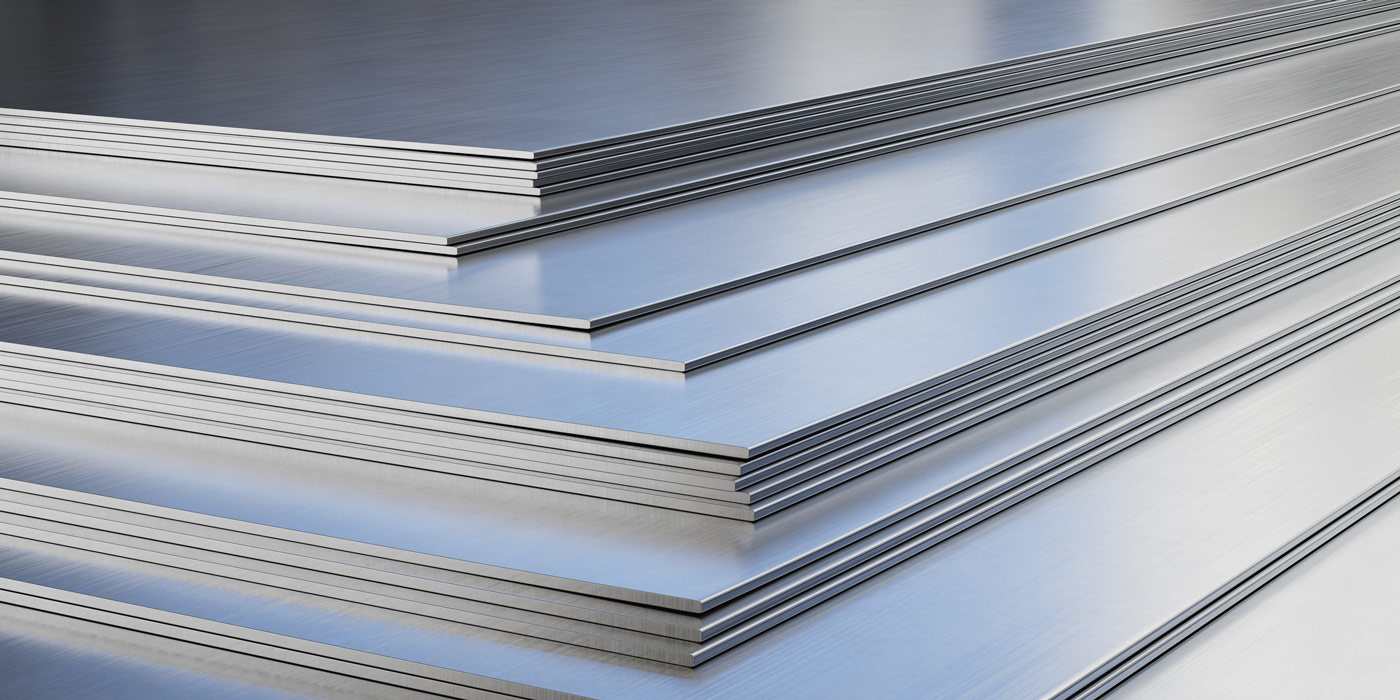
1.4541, also known as AISI 321, is a non-rusting, austenitic stainless steel developed as a stabilized version of 1.4301 (AISI 304). This material is particularly used where thermal loads could promote sensitization and corrosion susceptibility.
Chromium (Cr)
17,0 – 19,0 %
Nickel (Ni)
9,0 – 12,0 %
Titanium (Ti)
≥ 5x C content
Carbon (C)
≤ 0,08 %
Manganese (Mn)
≤ 2,0 %
Silicon (Si)
≤ 1,0 %
Phosphorus (P)
≤ 0,045 %
Sulfur (S)
≤ 0,015 %
Corrosion resistance:
Heat resistance:
Mechanical properties:
Weldability:
Magnetism:
The main advantage of 1.4541 is its stabilization against intergranular corrosion. While 1.4301 can suffer from chromium depletion between 450–800 °C, titanium stabilization in 1.4541 prevents this problem.
1.4541 is a versatile stainless steel offering advantages under thermal stress and greater resistance to intergranular corrosion. It is preferred in applications with higher temperatures or challenging chemical conditions.
Note: The information in this datasheet is provided for description purposes only; no liability is assumed!

EST Edelstahl-Schneidtechnik GmbH
Am Stahlwerk 17
45527 Hattingen
Germany
OFFICE HATTINGEN
+49 (0) 2324 59150 0
info@edelstahl-schneidtechnik.de
OFFICE VÖCKLABRUCK
+43 (0) 7672 30909 0
info@edelstahl-schneidtechnik.at
OFFICE BREMEN
+49 (0) 421 579562 0
info@edelstahl-schneidtechnik.de
OFFICE CHASSIEU
+43 (0) 7672 30909 48
info@est-export.com