Austenitic stainless steel with excellent corrosion resistance and high performance in demanding environments
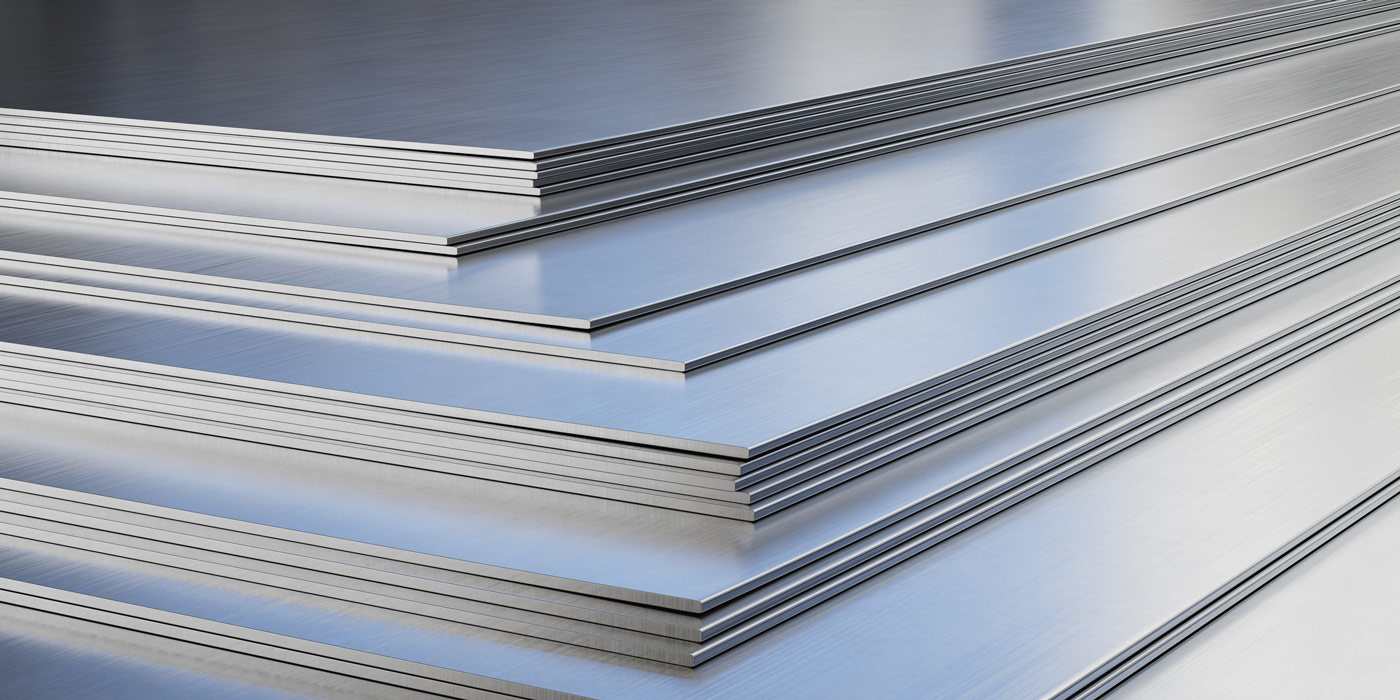
1.4404, also known as AISI 316L, is an austenitic stainless steel characterized by excellent corrosion resistance due to its low carbon content and molybdenum alloying. It belongs to the group of acid-resistant steels and is frequently used in environments requiring high corrosion resistance.
Die Hauptbestandteile von 1.4404 sind:
Chromium (Cr)
16,5–18,5 % → sorgt für Grundkorrosionsbeständigkeit
Nickel (Ni)
10,0–13,0 % → erhöht Korrosions- und Temperaturbeständigkeit.
Molybdenum (Mo)
2,0–2,5 % → verbessert Beständigkeit gegen Lochfraß und Spaltkorrosion
Carbon (C)
≤ 0,03 % → reduziert die Gefahr interkristalliner Korrosion
Manganese (Mn)
≤ 2,0 %
Silicon (Si)
≤ 1,0 %
Phosphorus (P)
≤ 0,045 %
Sulfur (S)
≤ 0,015 %
1. Corrosion resistance:
Very high resistance to general corrosion, especially in aggressive chloride- and sulfur-containing media.
High resistance to pitting and crevice corrosion (better than 1.4301 and 1.4401), especially in marine or chloride-exposed environments
Suitable for contact with weak acids and alkaline solutions
2. Mechanical properties:
Tensile strength: 490–690 MPa.
Yield strength: ≥ 170 MPa.
Elongation: ≥ 40 %.
Excellent ductility and toughness, including at low temperatures
3. Weldability:
Excellent weldability with all common processes (MIG, MAG, TIG, etc.)
No risk of intergranular corrosion after welding due to low carbon content
Recommended filler materials include 1.4430 or 316L4.
4. Processing:
Good cold and hot formability
Can be polished, but special surface treatment may be required due to molybdenum content.
5. Heat resistance:
Usable for applications up to approx. 300 °C
Less suitable for long-term use at higher temperatures compared to heat-resistant steels
1.4404 is a high-quality stainless steel that is preferred for demanding applications due to its excellent corrosion resistance, good mechanical properties, and excellent weldability. Its low carbon content makes it especially suitable for welded constructions compared to 1.4401.
Note: The information in this datasheet is provided for description purposes only; no liability is assumed!
Note: The information in this datasheet is provided for description purposes only; no liability is assumed!

EST Edelstahl-Schneidtechnik GmbH
Am Stahlwerk 17
45527 Hattingen
Germany
OFFICE HATTINGEN
+49 (0) 2324 59150 0
info@edelstahl-schneidtechnik.de
OFFICE VÖCKLABRUCK
+43 (0) 7672 30909 0
info@edelstahl-schneidtechnik.at
OFFICE BREMEN
+49 (0) 421 579562 0
info@edelstahl-schneidtechnik.de
OFFICE CHASSIEU
+43 (0) 7672 30909 48
info@est-export.com