Nickel-Molybdenum-Chromium alloy with exceptional corrosion resistance in aggressive chemical environments
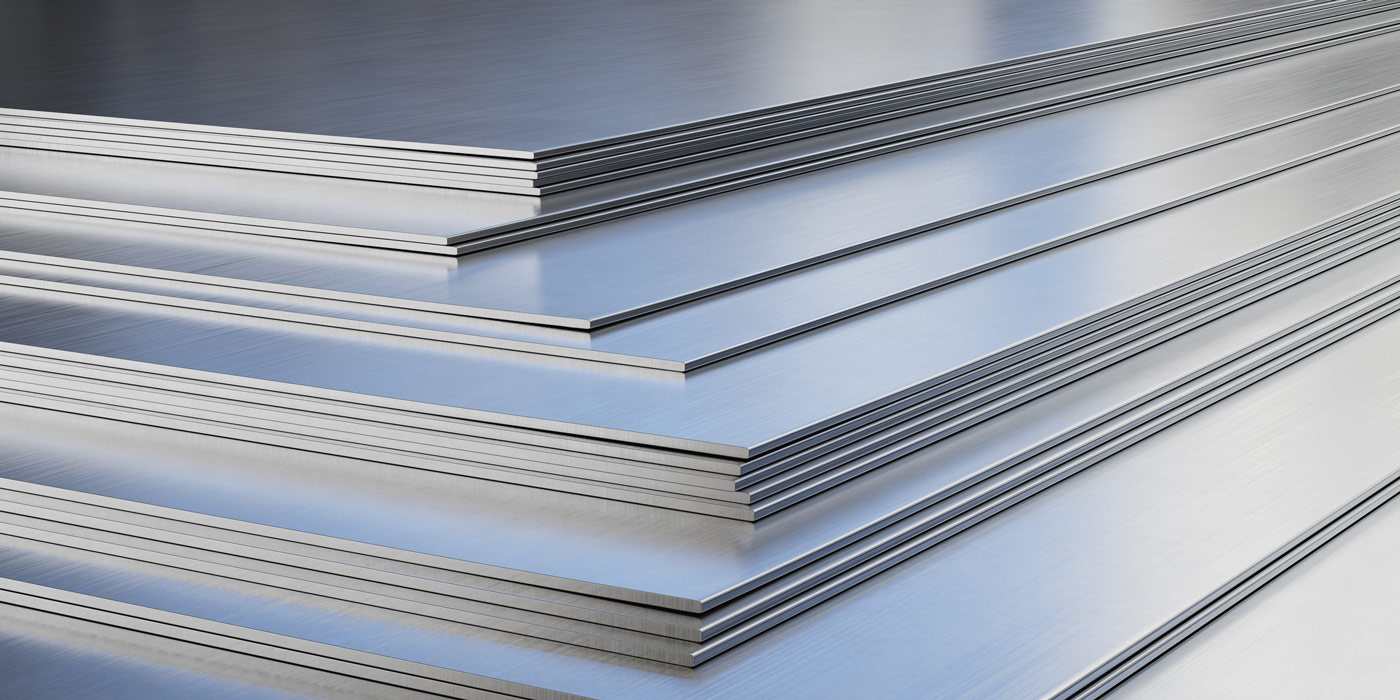
Alloy C-276 (also known as Hastelloy C-276) is a nickel-molybdenum-chromium alloy, particularly known for its outstanding corrosion resistance in aggressive chemical environments. It was specifically developed to withstand extremely corrosive conditions, making it a preferred material in the chemical industry, petrochemicals, power generation, and other industries dealing with aggressive media.

Nickel (Ni)
57 – 63 %
Chromium (Cr)
14,5 – 16,5 %
Molybdenum (Mo)
15 – 17 %
Iron (Fe)
up to 6.0 %
Manganese (Mn)
up to 1.0 %
Carbon (C)
up to 0.01 %
Silicon (Si)
up to 0.08 %
Sulfur (S)
up to 0.01 %
Tungsten (W)
up to 4.0 %
Corrosion resistance:
Heat resistance:
Strength and toughness:
Weldability:
Resistance to pitting and crevice corrosion:
Alloy C-276 (Hastelloy C-276) is one of the best materials for use in the chemical and petrochemical industries, as well as many other fields requiring high chemical resistance, due to its exceptional corrosion resistance in many aggressive environments. With its superior resistance to pitting, crevice corrosion, and oxidation in aggressive media at high temperatures, this material remains a preferred choice for demanding industrial applications.
Note: The information in this datasheet is provided for description purposes only; no liability is assumed!

EST Edelstahl-Schneidtechnik GmbH
Am Stahlwerk 17
45527 Hattingen
Germany
OFFICE HATTINGEN
+49 (0) 2324 59150 0
info@edelstahl-schneidtechnik.de
OFFICE VÖCKLABRUCK
+43 (0) 7672 30909 0
info@edelstahl-schneidtechnik.at
OFFICE BREMEN
+49 (0) 421 579562 0
info@edelstahl-schneidtechnik.de
OFFICE CHASSIEU
+43 (0) 7672 30909 48
info@est-export.com